Wedding planning comes with a long list of decisions, and one of the most consequential — and least discussed — is whether to buy or rent the items you need. The instinct is often to buy: it feels like ownership gives you control, and you can resell afterward. But for most couples, renting is the smarter financial and logistical choice for a significant portion of what makes a wedding look and feel the way it does. Here is a practical breakdown of where each approach wins.
What You Should Almost Always Rent
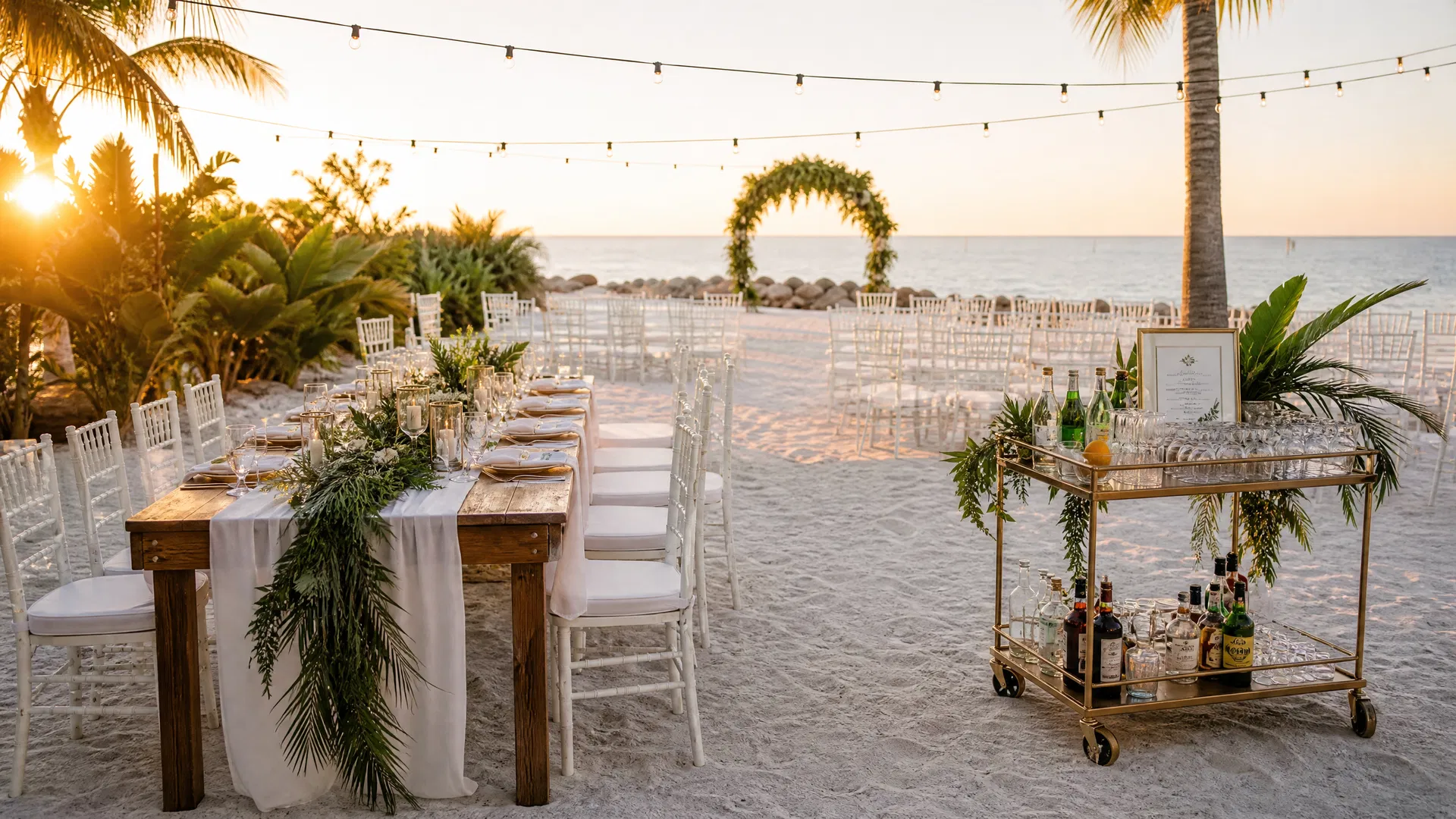
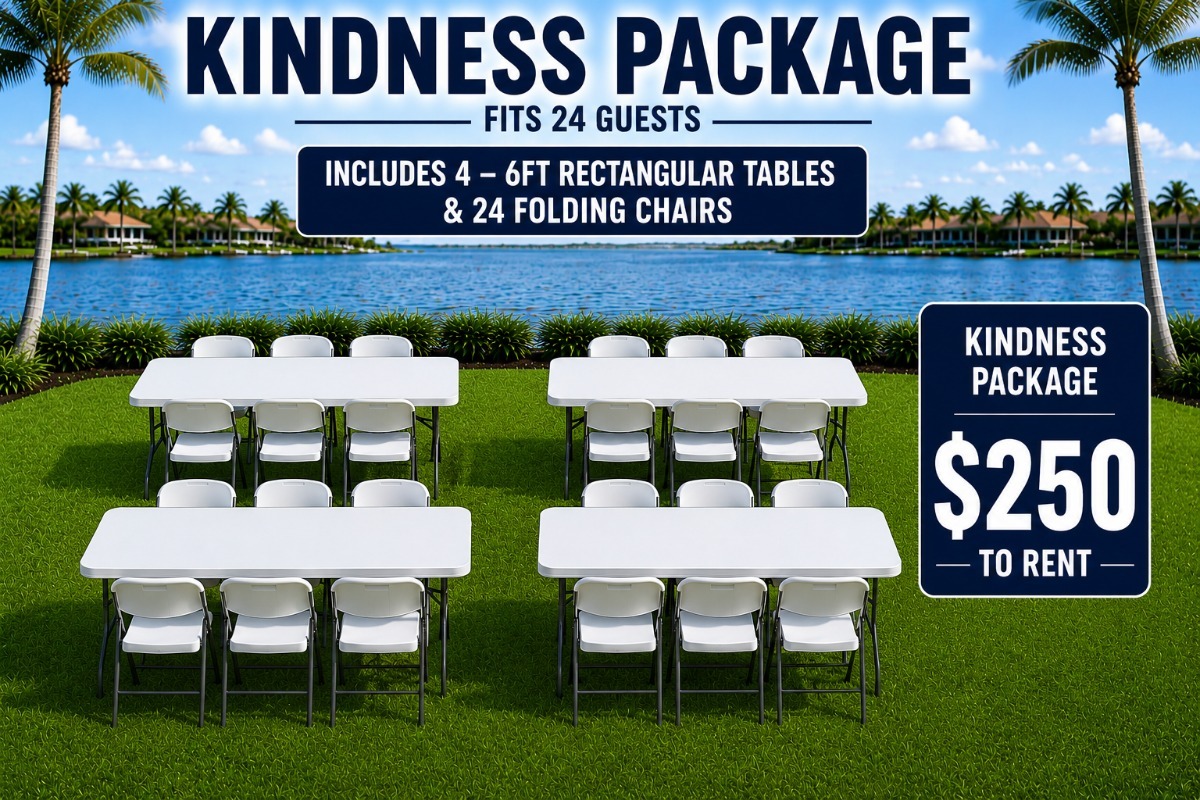
Furniture, linens, and tableware are the clearest cases for renting. Chairs, tables, farm tables, lounge furniture, charger plates, glassware, and linens are all items that rental companies and local hosts can deliver, set up, and retrieve — and the per-item cost is a fraction of what you would pay to purchase them new. After the wedding, you would have nowhere to store 150 Chiavari chairs and no realistic resale market for them. Renting eliminates that problem entirely.
Photo booths are another strong rental case. A quality photo booth rental in Tampa Bay typically runs $500–$900 for a 3-4 hour window, includes setup and an attendant, and produces a tangible takeaway for guests. Purchasing a photo booth outright costs $3,000–$8,000 and requires ongoing maintenance — it makes no sense for a one-time event. Local hosts on Nably offer photo booth rentals for weddings and events across the Tampa Bay area, and booking through a local host means you get someone who knows the venue and the logistics.
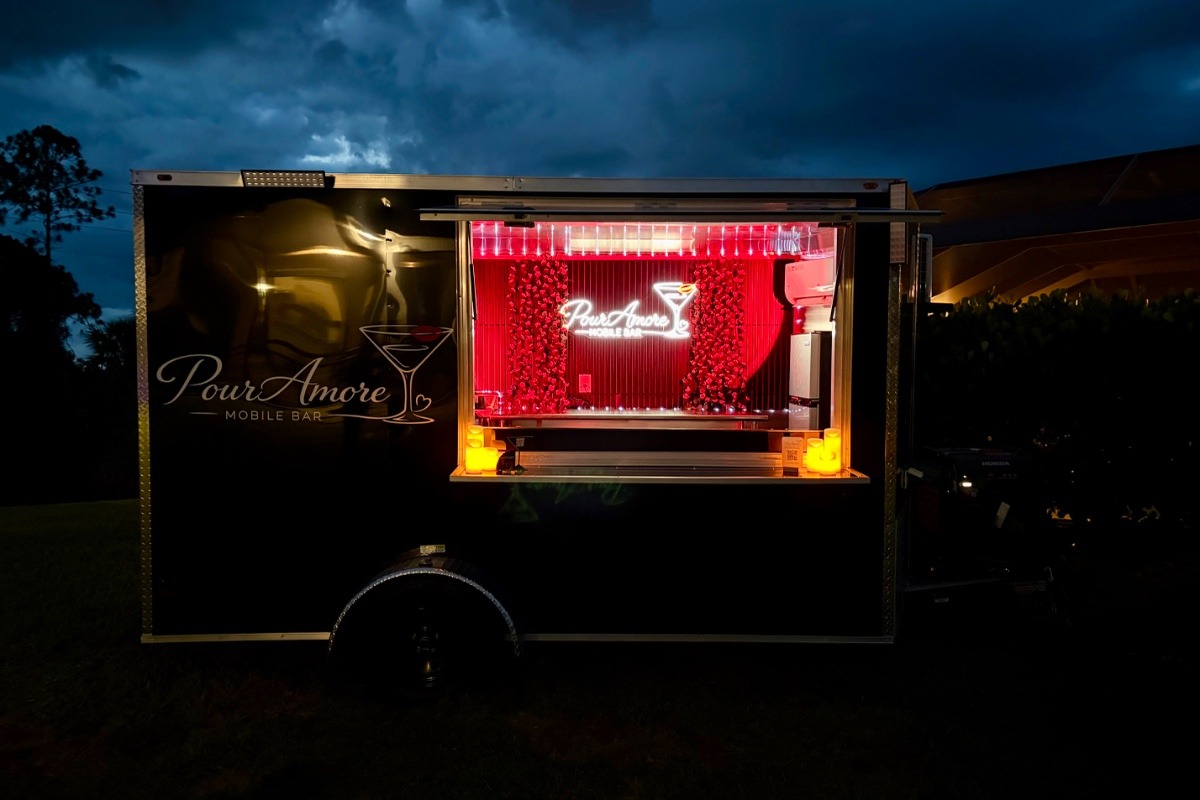
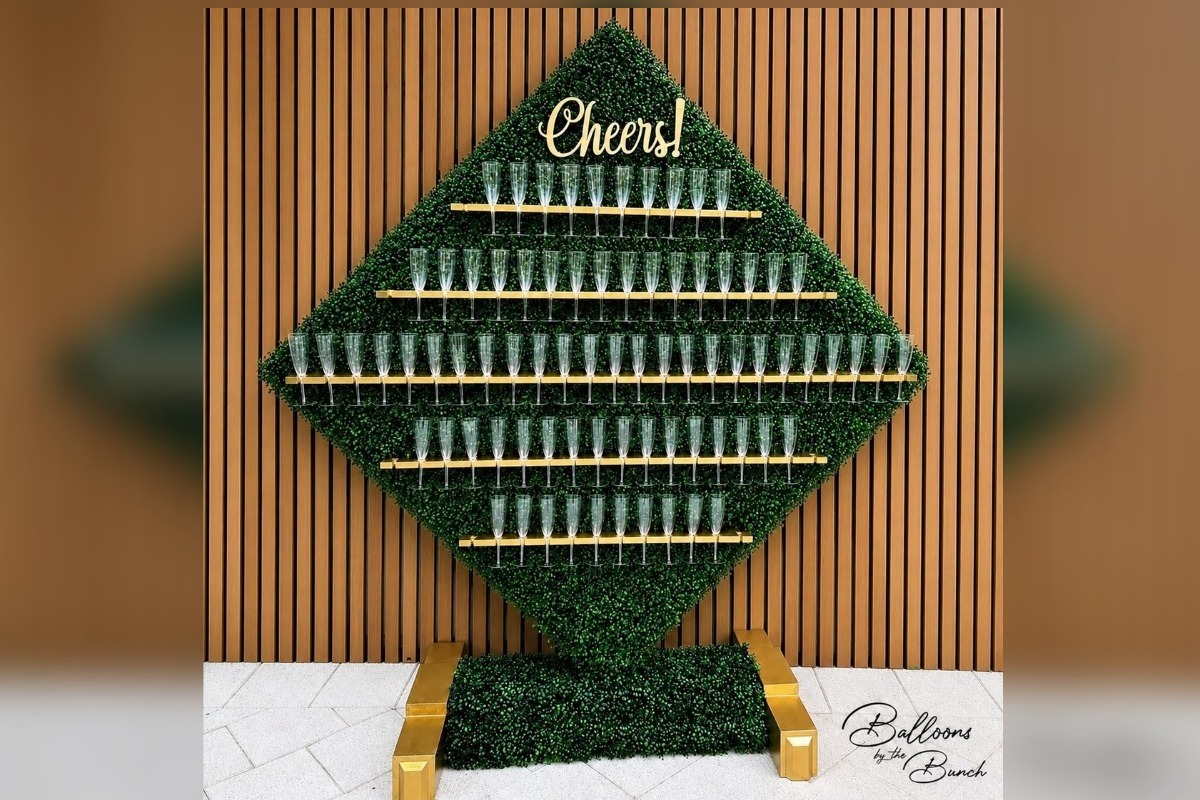
Mobile bars and bar carts are increasingly popular at Tampa Bay weddings, particularly for outdoor ceremonies and cocktail hours. A mobile bar rental brings the full setup — the cart, the glassware, the ice, and often the bartender — without you having to source any of it separately. Purchasing a bar cart of comparable quality would run $1,500–$4,000 and still requires you to staff it. Renting is the obvious choice.
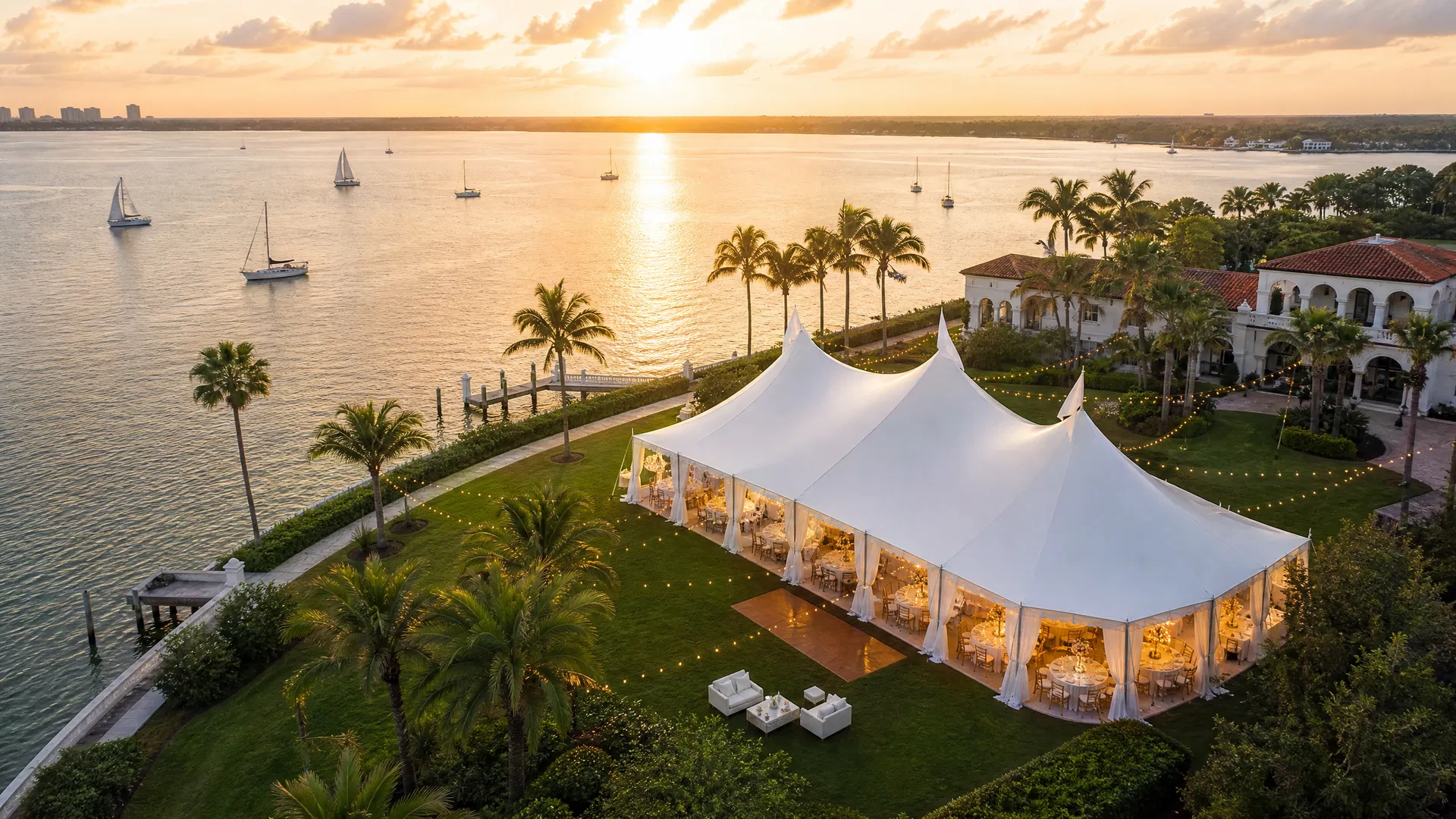
Tents and canopies for outdoor weddings are almost always rented, and for good reason. A commercial-grade tent that can handle Florida afternoon weather costs $2,000–$10,000 to purchase and requires professional installation. Rental companies handle delivery, setup, and breakdown, and they carry the liability insurance that comes with it. For a Gulf Coast wedding where weather can shift quickly, a properly installed rental tent is non-negotiable.
Lighting and draping are two more categories where renting wins decisively. String lights, uplighting, and fabric draping transform a venue, but purchasing the equipment and hiring someone to install it is rarely cost-effective for a single event. Lighting rental companies in the Tampa Bay area bundle equipment and installation into a single quote, and the result is a professionally executed look without the capital outlay.
What You Should Buy (or Already Own)
Your wedding dress is the most personal item of the day, and while dress rental services exist, most brides find that the fitting process, alterations, and emotional significance of ownership make buying the right call. The same logic applies to wedding bands — these are items you will wear for decades, and the cost-per-use calculation strongly favors buying.
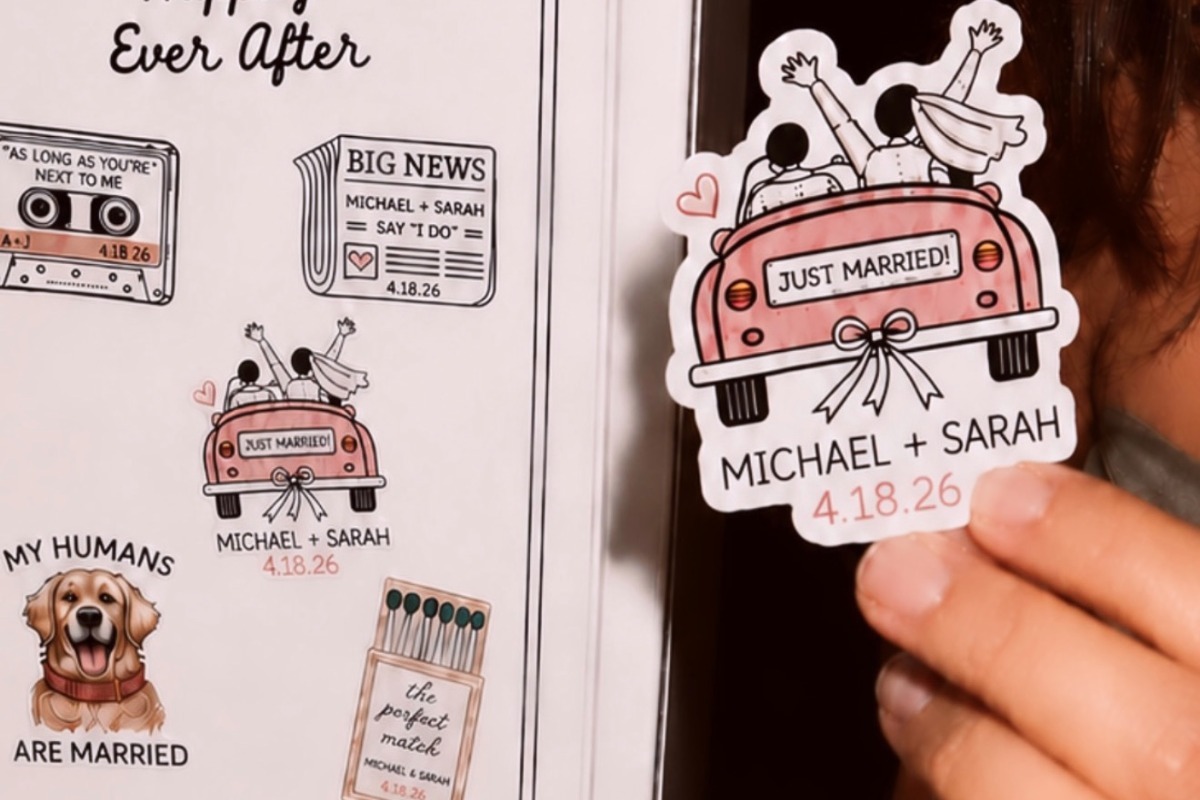
Personalized items are almost always better purchased than rented. Custom signage, monogrammed items, favors, and anything with your names or wedding date on it cannot be rented by definition. These are also the items that guests tend to remember and that photograph well — investing in quality here pays off in the photos you will look at for years.
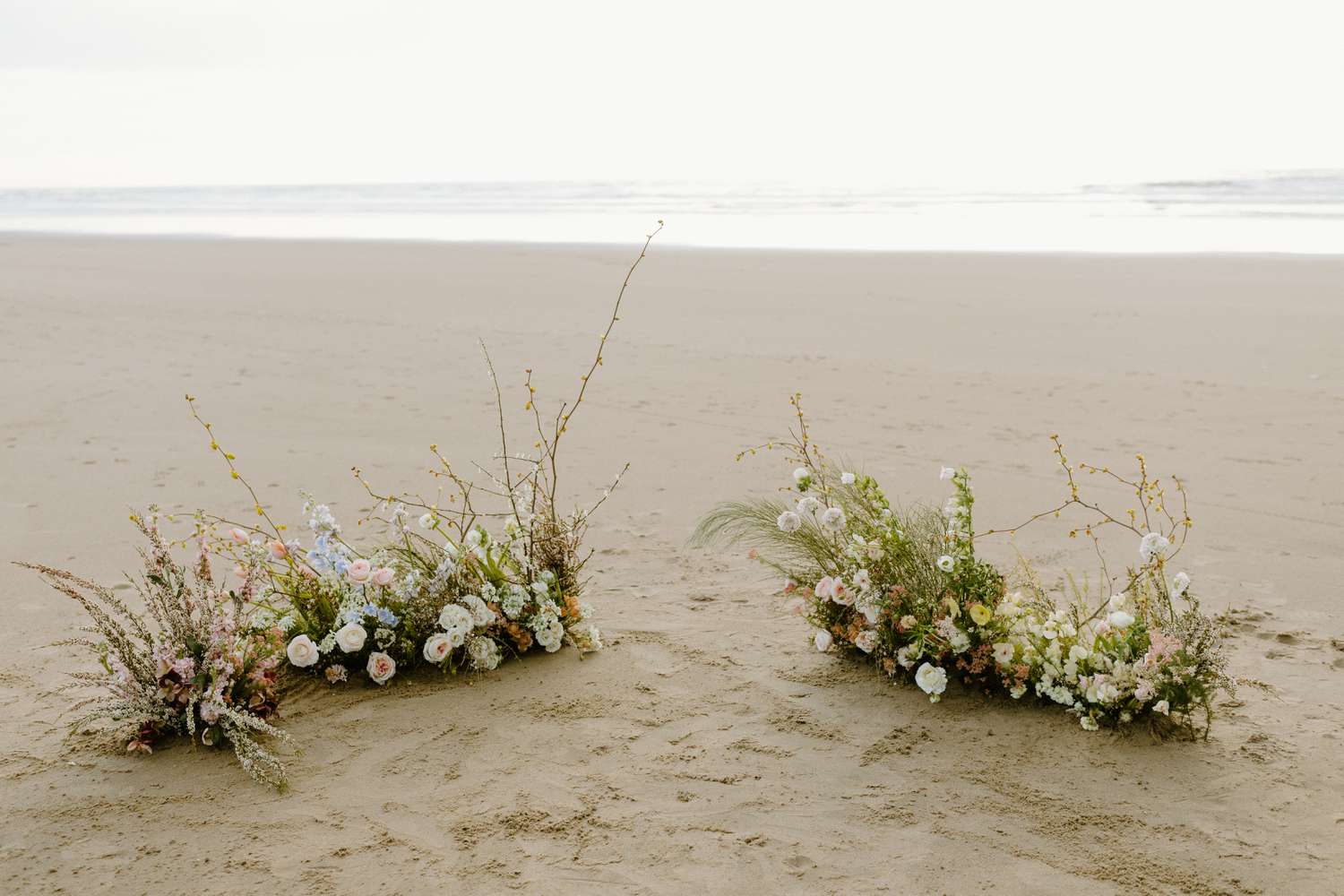
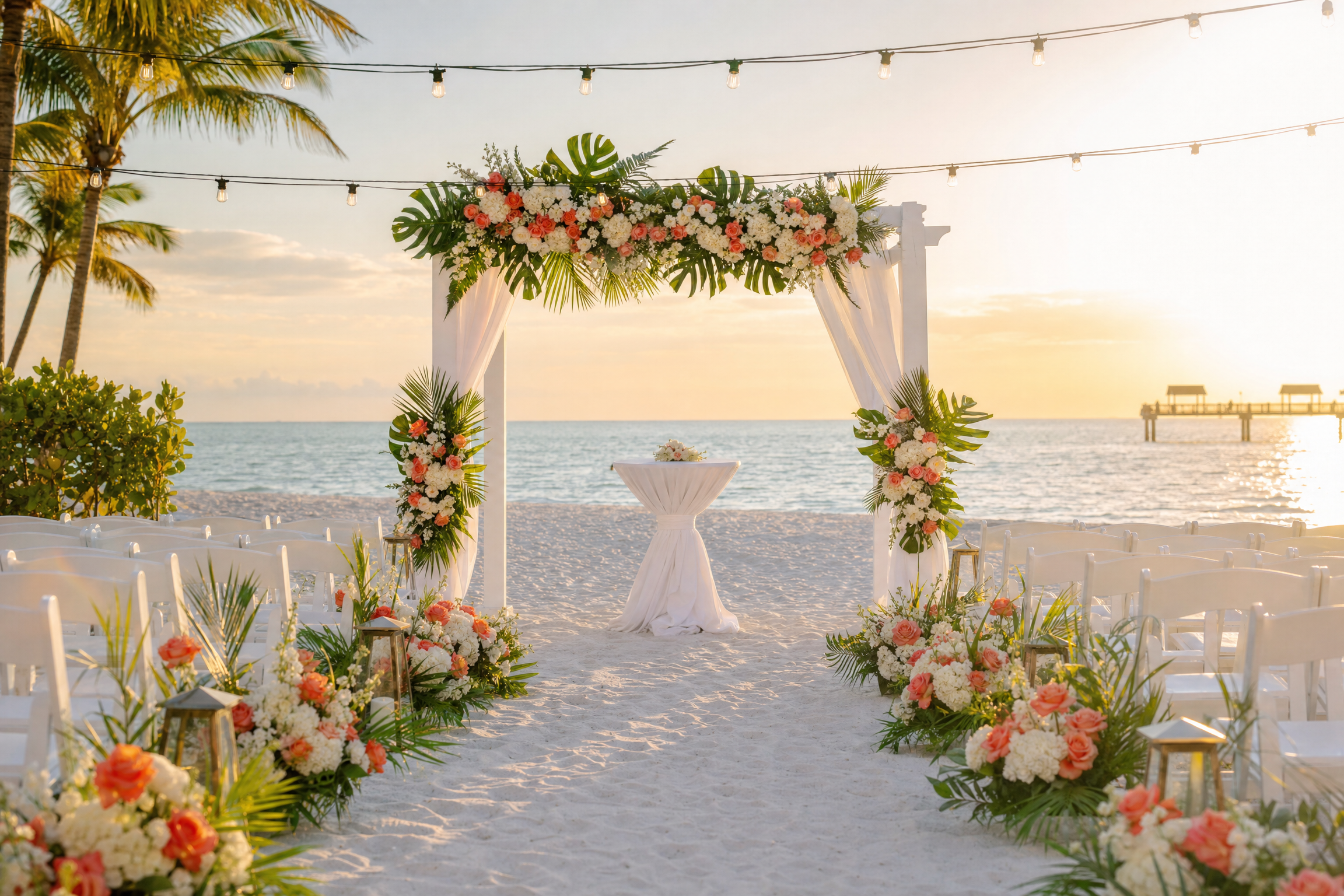
Florals occupy a middle ground. Fresh florals cannot be rented, but artificial or silk arrangements can be. For most Tampa Bay weddings, fresh florals from a local florist remain the standard, but couples on tighter budgets increasingly supplement with high-quality artificial pieces for centerpieces and arches, purchasing them outright and reselling after the event.
Small decor items — candles, vases, lanterns, and table accents — are worth buying if you can source them affordably and resell afterward. Facebook Marketplace and local wedding resale groups in Tampa Bay are active, and you can often recover 40–60% of your purchase price on these items after the wedding.
The Hybrid Approach That Most Couples Use
In practice, most Tampa Bay couples end up with a hybrid: they rent the large, logistically complex items (furniture, tents, lighting, photo booths, mobile bars) and buy the personal, customized, and small-format items (dress, rings, signage, favors, small decor). This approach minimizes storage headaches, reduces upfront capital, and lets you allocate budget toward the things that matter most to you.
The key is making these decisions early in the planning process. Rental inventory in Tampa Bay books out quickly for peak wedding season (October through April), and the best local hosts on Nably fill their calendars months in advance. If you know you want a photo booth, a mobile bar, and lounge furniture for your cocktail hour, locking those in early gives you the best selection and pricing.
Nably connects Tampa Bay couples directly with local hosts who offer wedding rentals — from photo booths and mobile bars to beach chairs and lawn games for post-ceremony gatherings. Browse what is available in your area and book directly through the platform.
Is it cheaper to rent or buy wedding decor?
For most large items — furniture, tents, lighting, photo booths, and mobile bars — renting is significantly cheaper than buying when you factor in purchase price, storage, and the difficulty of reselling. Small personalized items and jewelry are almost always better purchased.
What wedding items can I rent in Tampa Bay?
Tampa Bay couples can rent photo booths, mobile bars and bar carts, Chiavari chairs and farm tables, lounge furniture, tents and canopies, lighting and draping, paddleboards and lawn games for outdoor receptions, and beach chairs for coastal ceremonies. Local hosts on Nably offer many of these items with delivery and setup.
How far in advance should I book wedding rentals in Tampa Bay?
For peak wedding season (October through April), book major rentals 4–6 months in advance. Photo booths and mobile bars in particular fill up quickly. For off-peak summer weddings, 2–3 months is usually sufficient.